Travel Clinic
Tick-borne Encephalitis Vaccination
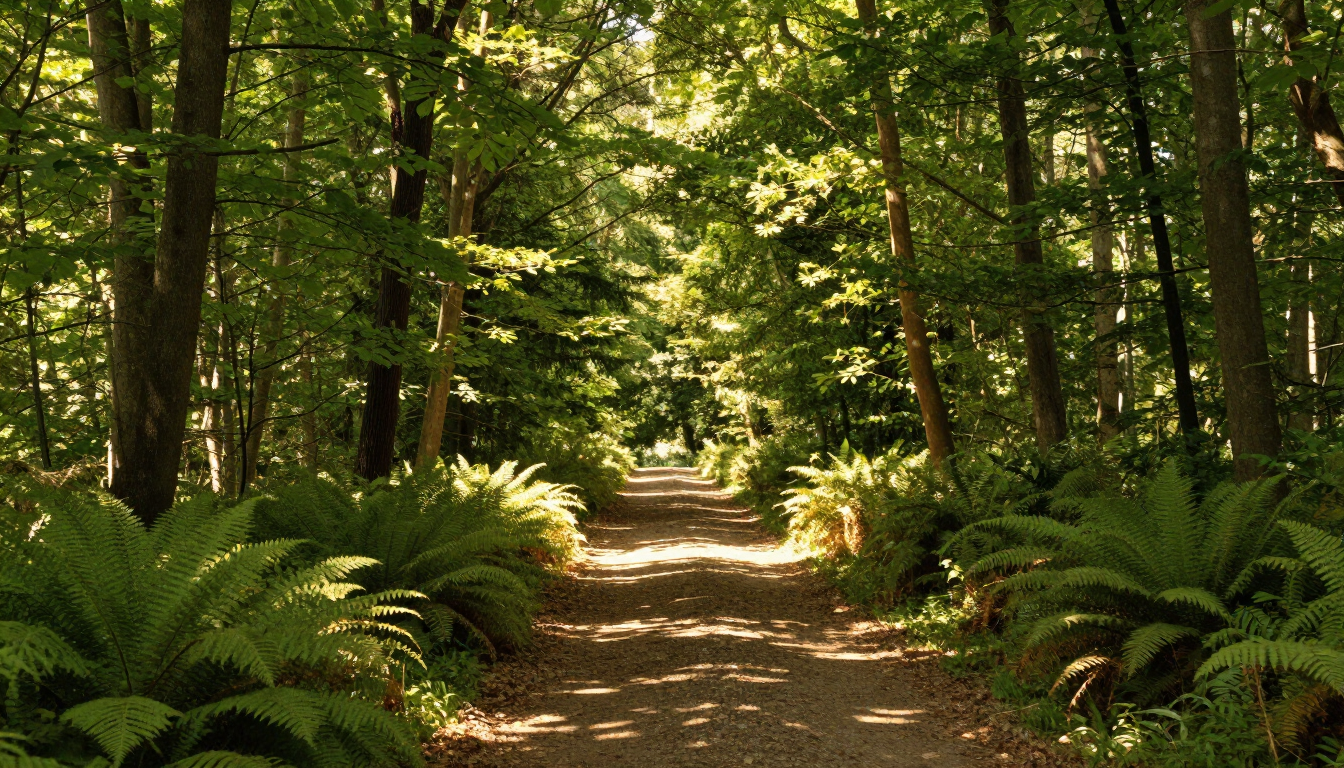
For walking, camping and cycling holidays in the forests of central, eastern and northern Europe.
- Course
- Three dose course
- Schedule
- Accelerated option available
- Who it is for
- From 1 year of age
- Boosters
- Every 3 to 5 years
About this service
Tick-borne encephalitis is a viral infection of the brain spread by the bite of infected ticks, and for walkers, campers and cyclists heading into the forests of central, eastern and northern Europe it is a real but avoidable risk. At our Berkeley travel clinic we offer tick-borne encephalitis vaccination with both standard and accelerated schedules, so your protection fits around your departure date rather than the other way round.
We look at where you are going, the time of year you are travelling, where you will be staying and what you will be doing outdoors, because this is what determines whether the vaccine is appropriate for you. We welcome travellers from Berkeley, Dursley, Cam, Wotton-under-Edge and across Gloucestershire, and we can usually plan this alongside your other travel vaccinations.
What tick-borne encephalitis is and how the vaccine helps
Tick-borne encephalitis is a viral infection of the brain spread by the bite of infected ticks, and occasionally by unpasteurised milk and dairy products. It is found in forested and grassland areas of central, eastern and northern Europe, the Baltic states, Scandinavia, Russia, northern China and Japan, including popular walking destinations in Austria, Germany, Switzerland, the Czech Republic, Slovenia, Poland, Hungary, Sweden and Finland. The tick season runs from roughly April to November, peaking in late spring and summer.
Many people have only mild flu-like symptoms, but some go on to develop inflammation of the brain, which can cause lasting neurological problems. The standard course is three doses, with the second one to three months after the first and the third five to twelve months after the second. An accelerated schedule gives the first two doses 14 days apart for people travelling sooner. Boosters are advised every three to five years for those at continued risk, and the vaccine is licensed from one year of age with a paediatric formulation.
Who this service is for
Suitable for
- Walkers, campers, cyclists and runners visiting forested or grassland areas in risk countries between April and November
- People staying in or near woodland
- Forestry, conservation and military personnel
- Orienteers, mushroom and berry pickers
- Anyone living in or making repeated trips to a risk area
- Families holidaying in rural Austria, Germany, Switzerland or the Baltic states
Not suitable for
- Children under one year
- Previous severe allergic reaction to this vaccine or its ingredients, including egg
- Anyone currently unwell with a high temperature
- People whose trip is entirely urban and outside the tick season, where the risk is very low
How it works
A simple, consistent process for every service at Berkeley Pharmacy.
Get in touch
Call us or use our contact form to arrange a consultation.
Consultation
A private, face-to-face appointment with our pharmacist in our Berkeley consultation room.
Clinical assessment
We review your medical history and confirm whether the service is suitable for you.
Treatment or referral
If it is suitable we treat you the same day; if not, we explain why and advise on the best next step.
What to expect at your appointment
Your appointment begins with a travel health risk assessment looking at your destination, the time of year, where you will be staying and what you will be doing outdoors, and a clear recommendation, including telling you if we think the risk does not justify the vaccine.
- A comparison of the standard and accelerated schedules against your travel date
- The injection into your upper arm
- Remaining doses booked before you leave
- Practical tick bite prevention and tick removal advice
- A written record and, with your consent, a note to your GP
Aftercare and safety
A sore arm, headache, tiredness and mild fever are common in the first day or two and are more likely after the first dose. Keep checking for ticks every evening, especially behind the knees, in the groin, around the waist, in the armpits, on the scalp and behind the ears. Remove a tick with fine-tipped tweezers, gripping as close to the skin as possible and pulling steadily upwards without twisting or squeezing the body, then clean the area.
- The vaccine does not protect against Lyme disease, which is spread by the same ticks
- See a doctor if you develop an expanding circular rash, fever or joint pains after a bite
- Contact us on 01453 810316 if you have any questions after your appointment
Frequently asked questions
Which European countries have a tick-borne encephalitis risk?
Tick-borne encephalitis is found in forested and grassland areas of central, eastern and northern Europe, the Baltic states, Scandinavia and Russia, including popular walking destinations in Austria, Germany, Switzerland, the Czech Republic, Slovenia, Poland, Hungary, Sweden and Finland. We will talk through the risk for your specific destinations as part of your assessment.
When is the tick season?
The tick season runs from roughly April to November, peaking in late spring and summer. If your trip is entirely urban and outside the tick season, the risk is very low and we will tell you if we think the vaccine is not justified.
How many doses do I need and is there a faster schedule?
The standard course is three doses, with the second one to three months after the first and the third five to twelve months after the second. An accelerated schedule gives the first two doses 14 days apart for people travelling sooner. We compare both schedules against your travel date and advise which fits best.
Does this vaccine protect against Lyme disease?
No. The tick-borne encephalitis vaccine does not protect against Lyme disease, which is spread by the same ticks. This is why tick bite prevention and daily tick checks matter even when you have been vaccinated, and why you should see a doctor if you develop an expanding circular rash, fever or joint pains after a bite.
How do I safely remove a tick?
Remove a tick with fine-tipped tweezers, gripping as close to the skin as possible and pulling steadily upwards without twisting or squeezing the body, then clean the area. We go through practical tick bite prevention and tick removal advice with you at your appointment.
How often do I need a booster?
Boosters are advised every three to five years for those at continued risk. If you live in or make repeated trips to a risk area, we will help you plan a sensible booster schedule.
How we can supply treatment without a GP appointment
Some treatments at Berkeley Pharmacy are supplied under a Patient Group Direction, or PGD – a written instruction, signed by a doctor and a pharmacist, that legally allows our trained pharmacists to supply and administer specified medicines to people who meet defined clinical criteria, without a prescription from your GP. If you do not meet the criteria set out in the PGD we cannot supply the treatment, and we will explain why and advise you on the best next step. Our pharmacists also work as independent prescribers where that is appropriate.
Serving Berkeley and the surrounding Gloucestershire villages
Berkeley Pharmacy is on Market Place in the centre of Berkeley, with easy access from junctions 13 and 14 of the M5. We welcome patients from Berkeley, Sharpness, Newport, Berkeley Heath, Alkington, Ham, Stone and Rockhampton, and we are a short drive from Cam, Dursley, Slimbridge, Cambridge, Falfield, Charfield, Tortworth, Cromhall, Oldbury-on-Severn, Wotton-under-Edge, Thornbury, Frampton on Severn and Stonehouse. Patients also travel to us from Stroud, Nailsworth, Yate, Chipping Sodbury, Tetbury and Gloucester.
Safe, regulated care from your local pharmacy team
- Berkeley Pharmacy is registered with the General Pharmaceutical Council. You can check any pharmacy or pharmacist on the GPhC register at pharmacyregulation.org.
- Every consultation is face to face and private, in our dedicated consultation room – not an online questionnaire.
- Serving the Berkeley community for over 25 years.
- This service does not replace care from your GP. With your consent we will inform your GP of any treatment provided. If you are unwell, have new or worsening symptoms, or need urgent care, contact your GP or NHS 111, and in an emergency call 999.
- If you experience a side effect from any medicine you can report it through the MHRA Yellow Card scheme at yellowcard.mhra.gov.uk.
Page last reviewed: September 2026. Next review due: September 2027.
Related services
Other services you may be interested in at Berkeley Pharmacy.
Rabies Vaccination
Pre-travel rabies protection for remote trips, long stays and anyone likely to be around animals.
Find out more Travel ClinicJapanese Encephalitis Vaccination
For longer stays and rural travel in parts of Asia where this rare but serious infection is present.
Find out more Travel ClinicHepatitis A Vaccination
One of the most commonly recommended travel vaccinations, and one of the easiest to arrange before you go.
Find out moreSpeak to our pharmacy team about tick-borne encephalitis vaccination
Visit us in Berkeley or get in touch to arrange a private consultation with our pharmacist.
Book a consultation Call 01453 810316
Address
14 Market Place, Berkeley, GL13 9BB
Opening hours
Mon–Fri 9am–6pm (closed 1–2pm)
Sat 9am–1pm
Sun Closed